


Choosing where to prepare for the OGEA-101 exam is easier when you can test the tools first. LatestCram offers a free demo of the The Open Group TOGAF Enterprise Architecture Part 1 materials, including a look at the online engine that tracks your weak spots — 172+ Q&As are waiting once you are satisfied.
The Open Group OGEA-101 Exam Overview:
| Certification Vendor: | The Open Group |
|---|---|
| Exam Name: | TOGAF Enterprise Architecture Part 1 Exam |
| Exam Number: | OGEA-101 |
| Certificate Validity Period: | Lifetime |
| Exam Price: | USD $375 |
| Available Languages: | English, Simplified Chinese, French |
| Passing Score: | 60% (24/40) |
| Real Exam Qty: | 40 |
| Related Certifications: | TOGAF Enterprise Architecture Practitioner TOGAF Enterprise Architecture Combined Part 1 and Part 2 |
| Exam Format: | Closed Book, Multiple Choice |
| Exam Duration: | 60 minutes |
| Recommended Training: | Accredited Training Providers TOGAF Standard 10th Edition Official Materials |
| Exam Registration: | Official Registration |
| Sample Questions: |  |
| Exam Way: | Online proctored or onsite at Pearson VUE test centers |
| Pre Condition: | No mandatory prerequisites; recommended basic knowledge of enterprise architecture concepts |
| Official Syllabus URL: | https://certification.opengroup.org/togaf%C2%AE-enterprise-architecture-part-1-exam |
The Open Group OGEA-101 Exam Syllabus Topics:
| Section | Weight | Objectives |
|---|---|---|
| Topic 1: Basic Concepts of Enterprise Architecture and TOGAF Standard | 10% | - Definition, purpose and benefits of Enterprise Architecture - Enterprise Continuum and Architecture Repository - Structure and components of TOGAF Standard |
| Topic 2: Architecture Development Method (ADM) | 35% | - Phases: Opportunities & Solutions, Migration Planning, Implementation Governance, Architecture Change Management - Phases: Preliminary, Vision, Business Architecture, Information Systems Architecture, Technology Architecture - Requirements Management process - Objectives and structure of ADM cycle |
| Topic 3: TOGAF Reference Models and Tools | 15% | - Tools and support resources - Technical Reference Model (TRM) - Information Infrastructure Reference Model (IIRM) |
| Topic 4: Core Concepts and Terminology | 15% | - Key terms and definitions in TOGAF - Architecture principles and requirements |
| Topic 5: Architecture Content Framework | 10% | - Content Metamodel - Architecture artifacts, deliverables and building blocks |
| Topic 6: Architecture Governance | 15% | - Architecture Capability Framework - Compliance and architecture contracts - Governance framework and Architecture Board |
OGEA-101 Exam Essentials: A Quick FAQ for Candidates
The OGEA-101 exam is the official assessment for the The Open Group TOGAF Enterprise Architecture Part 1 certification offered by The Open Group. It checks whether you can apply the knowledge areas in the exam objectives to practical situations, and passing it earns a credential that employers across the industry recognize. For professionals who feel stuck in their current role, it is often the most concrete next step available.
No mandatory prerequisites; recommended basic knowledge of enterprise architecture concepts
The official outline for the OGEA-101 exam highlights these domains:
- Architecture Governance (15%)
- Basic Concepts of Enterprise Architecture and TOGAF Standard (10%)
- Core Concepts and Terminology (15%)
Weighting your study time toward the heavier domains first is a sensible strategy, and the The Open Group TOGAF Enterprise Architecture Part 1 practice questions at LatestCram follow the same objective structure.
The Open Group recommends the following training resources for OGEA-101 exam candidates:
Pairing official courses with timed practice sessions tends to work well, since one builds knowledge and the other builds exam-day rhythm.
The OGEA-101 exam gives you 60 minutes minutes to answer 40 questions. That pace leaves little room for hesitation, which is why rehearsing under a timer — for example with the online test engine at LatestCram, where you can set the session length just like the real test — is such a useful habit.
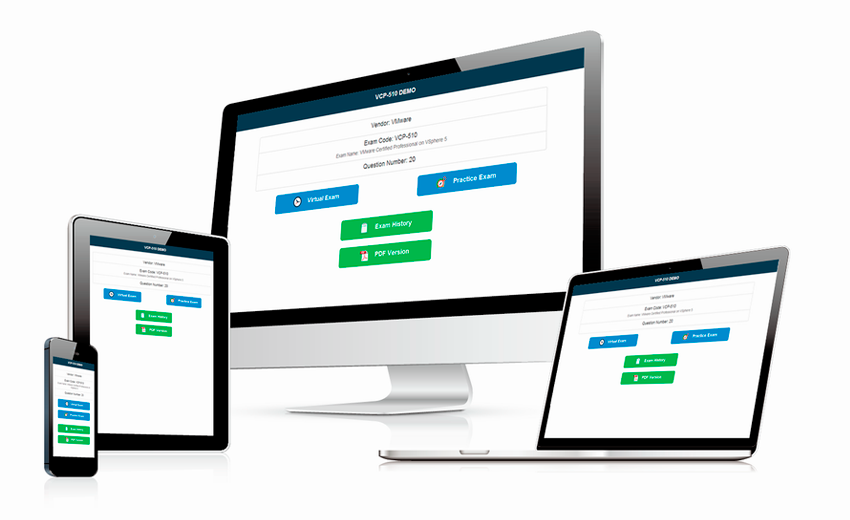
The online test engine is exclusive to LatestCram and runs on any electronic device — phone, tablet, or computer — with no installation barriers. It recreates the atmosphere of the real OGEA-101 exam: you set the test time the way it will be on exam day, work through the The Open Group TOGAF Enterprise Architecture Part 1 practice questions under that pressure, and at the end the engine marks the questions you got wrong and reminds you to practice them again next time. Over a few sessions, that loop turns weak areas into reliable ones.
To pass the OGEA-101 exam you need a score of 60% (24/40), and the registration fee is USD $375. Since each attempt costs the full fee, arriving over-prepared is cheaper than arriving under-prepared — timed mock sessions and repeated review of missed questions are the usual ways candidates close that gap.
Registration for the OGEA-101 exam is handled through the official channels below:
Once your practice scores look consistent, booking a date gives your preparation a firm deadline to work toward.
Right after payment you get instant access to the OGEA-101 exam product — 172 practice questions for the The Open Group TOGAF Enterprise Architecture Part 1 exam with expert-verified answers — and the download link is also emailed to you automatically, typically within a minute. Your purchase includes 365 days of free updates; our team checks for exam changes daily, and when a new version is released the system sends it straight to your mailbox. A 50% renewal discount applies if you extend updates beyond the first year, and payment by Credit Card is handled through a secure checkout.
The Open Group TOGAF Enterprise Architecture Part 1 Sample Questions:
Complete the sentence. The "Statement" part of the recommended TOGAF template for Architecture Principles
- A. should be easy to remember
- B. should highlight the business benefits
- C. should clearly communicate the fundamental rule
- D. should highlight the requirements for carrying out the principle
Correct Answer: C 🗳️
Explanation: Only visible for LatestCram members. You can sign-up / login (it's free).
Which of the following best describes a purpose of the Gap Analysis technique?
- A. To determine service levels for the architecture
- B. To establish quality metrics for the architecture
- C. To validate non-functional requirements
- D. To identify missing functions
Correct Answer: D 🗳️
Explanation: Only visible for LatestCram members. You can sign-up / login (it's free).
When considering Architecture Governance, what is the benefit that derives from discipline?
- A. All parties will have a commitment to adhere to procedures and process
- B. Actions implemented and their decision support will be available for inspection
- C. All decision-making will be established so as to minimize conflicts of interest
- D. Groups within the organization are accountable for their actions
Correct Answer: A 🗳️
Explanation: Only visible for LatestCram members. You can sign-up / login (it's free).
Refer to the table below:
Which ADM Phase(s) does this describe?
- A. Phase A
- B. Phase E
- C. Phase F
- D. Phase B, C and D
Correct Answer: C 🗳️
Complete the sentence The TOGAF standard covers the development of four architecture domains. Business.
Data, Technology and__________________.
- A. Segment
- B. Transition
- C. Application
- D. Capability
Correct Answer: C 🗳️
Explanation: Only visible for LatestCram members. You can sign-up / login (it's free).
Viewing page 1 out of 35 pages.
Viewing questions 1-5 out of 172 questions.


 1403 Customer Reviews


