220-901 Q&As - in .pdf

220-901 pdf
  • Exam Code: 220-901
  • Exam Name: CompTIA A+ Certification Exam (901)
  • Updated: Jul 13, 2026
  • Q & A: 695 Questions and Answers
  • PDF Price: $59.99
  • Free Demo

220-901 Value Pack
(Frequently Bought Together)

220-901 Online Test Engine

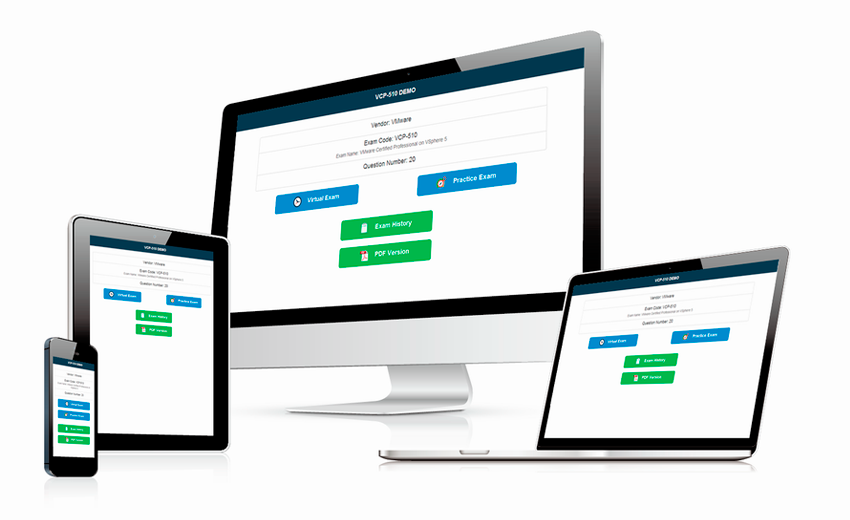
Online Test Engine supports Windows / Mac / Android / iOS, etc., because it is the software based on WEB browser.

  • Exam Code: 220-901
  • Exam Name: CompTIA A+ Certification Exam (901)
  • Updated: Jul 13, 2026
  • Q & A: 695 Questions and Answers
  • PDF Version + PC Test Engine + Online Test Engine
  • Value Pack Total: $119.98  $79.99
  • Save 50%

220-901 Desktop Testing Engine

220-901 Testing Engine
  • Exam Code: 220-901
  • Exam Name: CompTIA A+ Certification Exam (901)
  • Updated: Jul 13, 2026
  • Q & A: 695 Questions and Answers
  • Software Price: $59.99
  • Testing Engine

About CompTIA 220-901 Exam Study Material

Fast delivery

If time be of all things the most precious (220-901 exam cram), wasting of time must be the greatest prodigality, our company has placed high premium on the speed of delivery. Since our 220-901 latest practice material are electronic files, we can complete the transaction only on the internet. As soon as you pay for the 220-901 cram file in the website, our operation system will record your information immediately then encrypt all of them in order to protect your personal information from leaking out, after that our operation system will send the 220-901 exam cram to the email which you used to register our website, the overall process will only take 5 to 10 minutes, in other words, you can start to prepare for the exam with 220-901 latest practice material only in a few minutes after payment.

After purchase, Instant Download: Upon successful payment, Our systems will automatically send the product you have purchased to your mailbox by email. (If not received within 12 hours, please contact us. Note: don't forget to check your spam.)

The most preferential prices

During the 10 years, our company has invested a lot of money in compiling the most useful and effective 220-901 exam cram for all of the workers, even though we still adhere to the original faith that we will provide help to as many workers as possible, hence, we have been always sticking to provide the most preferential prices for all of the workers (220-901 latest practice material). Now we have a large number of regular customers in many different countries, and there is no one but praises our 220-901 cram file. What's more, we will carry out sales promotion activities on unfixed date, you can keep an eye on our website especially in major festivals.

What is Exam Formate of CompTIA A+ (220-901)

The exam format used for the CompTIA A+ certification is question and answer. The exam is multiple choice and takes between 4 and 8 hours to complete.

  • Length of exam: 90 minutes
  • Format: Multiple choices, multiple answers
  • Number of Questions: 60-70

Reference: https://certification.comptia.org/certifications/a

CompTIA 220-901 Exam Syllabus Topics:

TopicDetails
Hardware34%
Given a scenario, configure settings and use BIOS/UEFI tools on a PC.1. Firmware upgrades/flash BIOS
2. BIOS component information
  • RAM
  • Hard drive
  • Optical drive
  • CPU

3.BIOS configurations

  • Boot sequence
  • Enabling and disabling devices
  • Date/time
  • Clock speeds
  • Virtualization support
  • BIOS security (passwords, driveencryption: TPM, LoJack, secure boot)

4.Built-in diagnostics
5.Monitoring

  • Temperature monitoring
  • Fan speeds
  • Intrusion detection/notification
  • Voltage
  • Clock
  • Bus speed
Explain the importance of motherboard
components, their purpose and properties.
1.Sizes
  • ATX
  • Micro-ATX
  • Mini-ITX
  • ITX

2.Expansion slots

  • PCI
  • PCI-X
  • PCIe
  • miniPCI

3.RAM slots
4.CPU sockets
5.Chipsets

  • Northbridge
  • Southbridge

6.CMOS battery
7.Power connections and types
8.Fan connectors
9.Front/top panel connectors

  • USB
  • Audio
  • Power button
  • Power light
  • Drive activity lights

10.Bus speeds
11.Reset button

Compare and contrast various RAM types and their features.1.Types
  • DDR
  • DDR2
  • DDR3
  • SODIMM
  • DIMM
  • Parity vs. non-parity
  • ECC vs. non-ECC
  • RAM configurations

a)Single channel vs. dualchannel vs. triple channel

  • Single sided vs. double sided
  • Buffered vs. unbuffered

2.RAM compatibility

Install and configure PC expansion cards.1.Sound cards
2.Video cards
3.Network cards
4.USB cards
5.Firewire cards
6.Thunderbolt cards
7.Storage cards
8.Modem cards
9.Wireless/cellular cards
10.TV tuner cards
11.Video capture cards
12.Riser cards
Install and configure storage devices and use appropriate media.1.Optical drives
  • CD-ROM/CD-RW
  • DVD-ROM/DVD-RW/DVD-RW DL
  • Blu-ray
  • BD-R
  • BD-RE

2.Magnetic hard disk drives

  • 5400 rpm
  • 7200 rpm
  • 10,000 rpm

3.Hot swappable drives
4.Solid state/flash drives

  • Compact flash
  • SD
  • MicroSD
  • MiniSD
  • xD
  • SSD
  • Hybrid
  • eMMC

5.RAID types

  • 0
  • 1
  • 5
  • 10

6.Tape drive
7.Media capacity

  • CD
  • CD-RW
  • DVD-RW
  • DVD
  • Blu-ray
  • Tape
  • DVD DL
Install various types of CPUs and apply the appropriate cooling methods.

1.Socket types

  • Intel: 775, 1155, 1156, 1366, 1150, 2011
  • AMD: AM3, AM3+, FM1, FM2, FM2+
2.Characteristics
  • Speeds
  • Cores
  • Cache size/type
  • Hyperthreading
  • Virtualization support
  • Architecture (32-bit vs. 64-bit)
  • Integrated GPU
  • Disable execute bit
3. Cooling
  • Heat sink
  • Fans
  • Thermal paste
  • Liquid-based
  • Fanless/passive
Compare and contrast various PC connection interfaces,
their characteristics and purpose.
1.Physical connections
  • USB 1.1 vs. 2.0 vs. 3.0
  • Connector types: A, B, mini, micro
  • Firewire 400 vs. Firewire 800
  • SATA1 vs. SATA2 vs. SATA3, eSATA
  • Other connector types
  • VGA
  • HDMI
  • DVI
  • Audio
  • Analog
  • Digital (Optical connector)
  • RJ-45
  • RJ-11
  • Thunderbolt
2. Wireless connections
  • Bluetooth
  • RF
  • IR
  • NFC

3.Characteristics

  • Analog
  • Digital
  • Distance limitations
  • Data transfer speeds
  • Quality
  • Frequencies

Install a power supply based on given specifications.1.Connector types and their voltages
  • SATA
  • Molex
  • 4/8-pin 12v
  • PCIe 6/8-pin
  • 20-pin
  • 24-pin
2.Specifications
  • Wattage
  • Dual rail
  • Size
  • Number of connectors
  • ATX
  • MicroATX
  • Dual voltage options
Given a scenario, select the appropriate components for a custom PC configuration to meet customer specifications or needs.1.Graphic/CAD/CAM design workstation
  • Multicore processor
  • High-end video
  • Maximum RAM

2.Audio/video editing workstation

  • Specialized audio and video card
  • Large fast hard drive
  • Dual monitors

3.Virtualization workstation

  • Maximum RAM and CPU cores

4.Gaming PC

  • Multicore processor
  • High-end video/specialized GPU
  • High-definition sound card
  • High-end cooling

5.Home theater PC

  • Surround sound audio
  • HDMI output
  • HTPC compact form factor
  • TV tuner

6.Standard thick client

  • Desktop applications
  • Meets recommended requirements for selected OS
7.Thin client
  • Basic applications
  • Meets minimum requirementsfor selected OS
  • Network connectivity
8.Home server PC
  • Media streaming
  • File sharing
  • Print sharing
  • Gigabit NIC
  • RAID array
Compare and contrast types of display devices and their features.

1.Types

  • LCD
  • TN vs. IPS
  • Fluorescent vs. LED backlighting
  • Plasma
  • Projector
  • OLED

2.Refresh/frame rates
3.Resolution
4.Native resolution
5.Brightness/lumens
6.Analog vs. digital
7.Privacy/antiglare filters
8.Multiple displays
9.Aspect ratios

  • 16:9
  • 16:10
  • 4:3
Identify common PC connector types and associated cables.1.Display connector types
  • DVI-D
  • DVI-I
  • DVI-A
  • DisplayPort
  • RCA
  • HD15 (i.e., DE15 or DB15)
  • BNC
  • miniHDMI
  • miniDin-6

2.Display cable types

  • HDMI
  • DVI
  • VGA
  • Component
  • Composite
  • Coaxial

3.Device cables and connectors

  • SATA
  • eSATA
  • USB
  • Firewire (IEEE1394)
  • PS/2
  • Audio

4.Adapters and convertors

  • DVI to HDMI
  • USB A to USB B
  • USB to Ethernet
  • DVI to VGA
  • Thunderbolt to DVI
  • PS/2 to USB
  • HDMI to VGA
Install and configure common peripheral devices.1.Input devices
  • Mouse
  • Keyboard
  • Scanner
  • Barcode reader
  • Biometric devices
  • Game pads
  • Joysticks
  • Digitizer
  • Motion sensor
  • Touch pads
  • Smart card readers
  • Digital cameras
  • Microphone
  • Webcam
  • Camcorder

2.Output devices

  • Printers
  • Speakers
  • Display devices

3.Input & output devices

  • Touch screen
  • KVM
  • Smart TV
  • Set-top Box
  • MIDI-enabled devices
Install SOHO multifunction device/printers and configure appropriate settings.1.Use appropriate drivers for agiven operating system
  • Configuration settings
  • Duplex
  • Collate
  • Orientation
  • Quality

2.Device sharing

  • Wired
  • USB
  • Serial
  • Ethernet
  • Wireless
  • Bluetooth
  • 802.11 (a/b/g/n/ac)
  • Infrastructure vs. ad hoc
  • Integrated print server (hardware)
  • Cloud printing/remote printing

3.Public/shared devices

  • Sharing local/networked devicevia operating system settings
  • TCP/Bonjour/AirPrint
  • Data privacy
  • User authentication on the device
  • Hard drive caching
Compare and contrast differences between the various print technologies and the associated imaging process.1.Laser
  • Imaging drum, fuser assembly,transfer belt, transfer roller, pickuprollers, separate pads,duplexing assembly
  • Imaging process: processing,charging, exposing, developing,transferring, fusing and cleaning

2.Inkjet

  • Ink cartridge, print head, roller, feeder,duplexing assembly, carriage and belt
  • Calibration

3.Thermal

  • Feed assembly, heating element
  • Special thermal paper

4.Impact

  • Print head, ribbon, tractor feed
  • Impact paper

5.Virtual

  • Print to file
  • Print to PDF
  • Print to XPS
  • Print to image
Given a scenario, perform appropriate printer maintenance.1.Laser
  • Replacing toner, applyingmaintenance kit, calibration, cleaning

2.Therma

  • Replace paper, clean heatingelement, remove debris

3.Impact

  • Replace ribbon, replaceprint head, replace paper

4.Inkjet

  • Clean heads, replace cartridges,calibration, clear jams
Networking 21%
Identify the various types of network cables and connectors.1.Fiber
  • Connectors: SC, ST and LC

2.Twisted Pair

  • Connectors: RJ-11, RJ-45
  • Wiring standards: T568A, T568B

3.Coaxial

  • Connectors: BNC, F-connector
Compare and contrast the characteristics of connectors and cabling.1.Fiber
  • Types (single-mode vs. multi-mode)
  • Speed and transmission limitations

2.Twisted pair

  • Types: STP, UTP, CAT3, CAT5, CAT5e,CAT6, CAT6e, CAT7, plenum, PVC
  • Speed and transmission limitations
  • Splitters and effects on signal quality

3.Coaxial

  • Types: RG-6, RG-59
  • Speed and transmission limitations
  • Splitters and effects on signal quality
Explain the properties and characteristics of TCP/IP.1.IPv4 vs. IPv6
2.Public vs. private vs. APIPA/link local
3.Static vs. dynamic
4. Client-side DNS settings
5.Client-side DHCP
6. Subnet mask vs. CIDR
7.Gateway
Explain common TCP and UDP ports, protocols and their purpose.1.Ports
  • 21 – FTP
  • 22 – SSH
  • 23 – TELNET
  • 25 – SMTP
  • 53 – DNS
  • 80 – HTTP
  • 110 – POP3
  • 143 – IMAP
  • 443 – HTTPS
  • 3389 – RDP
  • 137-139 – NetBIOS/NetBT
  • 445 – SMB/CIFS
  • 427 – SLP
  • 548 – AFP

2.Protocols

  • DHCP
  • DNS
  • LDAP
  • SNMP
  • SMB
  • CIFS
  • SSH
  • AFP

3.TCP vs. UDP

Compare and contrast various WiFi networking standards and encryption types.1.Standards
  • 802.11 (a/b/g/n/ac)
  • Speeds, distances and frequencies

2.Encryption types

  • WEP, WPA, WPA2, TKIP, AES
Given a scenario, install and configure SOHO wireless/ wired router and apply appropriate settings.1.Channels
2.Port forwarding, port triggering
3.DHCP (on/off)
4.DMZ
5.NAT/DNAT
6.Basic QoS
7.Firmware
8. UPnP
Compare and contrast Internet connection types, network types and their features.1.Internet connection types
  • Cable
  • DSL
  • Dial-up
  • Fiber
  • Satellite
  • ISDN
  • Cellular
  • Tethering
  • Mobile hotspot
  • Line-of-sight wireless Internet service

2.Network Types

  • LAN
  • WAN
  • PAN
  • MAN
Compare and contrast network architecture devices, their functions and features.1.Hub
2.Switch
3.Router
4.Access point
5.Bridge
6.Modem
7.Firewall
8.Patch panel
9.Repeaters/extenders
10.Ethernet over Power
11.Power over Ethernet injector
Given a scenario, use appropriate networking tools.1.Crimper
2.Cable stripper
3.Multimeter
4.Tone generator and probe
5.Cable tester
6.Loopback plug
7.Punchdown tool
8.WiFi analyzer
Mobile Devices 17%
Install and configure laptop hardware and components.1.Expansion options
  • Expresscard /34
  • Expresscard /54
  • SODIMM
  • Flash
  • Ports/Adapters
  • Thunderbolt
  • DisplayPort
  • USB to RJ-45 dongle
  • USB to WiFi dongle
  • USB to Bluetooth
  • USB Optical Drive

2.Hardware/device replacement

  • Keyboard
  • Hard drive
  • SSD vs. hybrid vs. magnetic disk
  • 1.8in vs. 2.5in
  • Memory
  • Smart card reader
  • Optical drive
  • Wireless card
  • Mini-PCIe
  • Screen
  • DC jack
  • Battery
  • Touchpad
  • Plastics/frames
  • Speaker
  • System board
  • CPU
Explain the function of components within the display of a laptop.1.Types
  • LCD
  • TN vs. IPS
  • Fluorescent vs. LED backlighting
  • OLED

2.WiFi antenna connector/placement
3.Webcam
4.Microphone
5.Inverter
6.Digitizer

Given a scenario, use appropriate laptop features.1.Special function keys
  • Dual displays
  • Wireless (on/off)
  • Cellular (on/off)
  • Volume settings
  • Screen brightness
  • Bluetooth (on/off)
  • Keyboard backlight
  • Touch pad (on/off)
  • Screen orientation
  • Media options (fast forward/rewind)
  • GPS (on/off)

Airplane mode
2.Docking station
3.Physical laptop lock and cable lock
4.Rotating/removable screens

Explain the characteristics of various types of other mobile devices.1.Tablets
2.Smartphones
3.Wearable technology devices
  • Smart watches
  • Fitness monitors
  • Glasses and headsets

4.Phablets
5.e-Readers
6.Smart camera
7.GPS

Compare and contrast accessories and ports of other mobile devices.1.Connection types
  • NFC
  • Proprietary vendor-specific ports (communication/power)
  • MicroUSB/miniUSB
  • Lightning
  • Bluetooth
  • IR
  • Hotspot/tethering
2.Accessories
  • Headsets
  • Speakers
  • Game pads
  • Docking stations
  • Extra battery packs/battery chargers
  • Protective covers/water proofing
  • Credit card readers
  • Memory/MicroSD
Hardware and Network Troubleshooting 28%
Given a scenario, troubleshoot common problems related to motherboards, RAM, CPU and power with appropriate tools.1.Common symptoms
  • Unexpected shutdowns
  • System lockups
  • POST code beeps
  • Blank screen on bootup
  • BIOS time and settings resets
  • Attempts to boot to incorrect device
  • Continuous reboots
  • No power
  • Overheating
  • Loud noise
  • Intermittent device failure
  • Fans spin – no power to other devices
  • Indicator lights
  • Smoke
  • Burning smell
  • Proprietary crash screens (BSOD/pin wheel)

Distended capacitors

2.Tools
  • Multimeter
  • Power supply tester
  • Loopback plugs
  • POST card/USB

Given a scenario, troubleshoot hard drives and RAID arrays with appropriate tools.1.Common symptoms
  • Read/write failure
  • Slow performance
  • Loud clicking noise
  • Failure to boot
  • Drive not recognized
  • OS not found
  • RAID not found
  • RAID stops working
  • Proprietary crash screens (BSOD/pin wheel)
  • S.M.A.R.T. errors
2.Tools
  • Screwdriver
  • External enclosures
  • CHKDSK
  • FORMAT
  • File recovery software
  • Bootrec
  • Diskpart
  • Defragmentation tool
Given a scenario, troubleshoot common video, projector and display issues.1.Common symptoms
  • VGA mode
  • No image on screen
  • Overheat shutdown
  • Dead pixels
  • Artifacts
  • Color patterns incorrect
  • Dim image
  • Flickering image
  • Distorted image
  • Distorted geometry
  • Burn-in
  • Oversized images and icons
Given a scenario, troubleshoot wired and wireless networks with appropriate tools.1.Common symptoms
  • No connectivity
  • APIPA/link local address
  • Limited connectivity
  • Local connectivity
  • Intermittent connectivity
  • IP conflict
  • Slow transfer speeds
  • Low RF signal
  • SSID not found

2.Hardware tools

  • Cable tester
  • Loopback plug
  • Punchdown tools
  • Tone generator and probe
  • Wire strippers
  • Crimper
  • Wireless locator

3.Command line tools

  • PING
  • IPCONFIG/IFCONFIG
  • TRACERT
  • NETSTAT
  • NBTSTAT
  • NET
  • NETDOM
  • NSLOOKUP
Given a scenario, troubleshoot and repair common mobile device issues while adhering to the appropriate procedures.1.Common symptoms
  • No display
  • Dim display
  • Flickering display
  • Sticking keys
  • Intermittent wireless
  • Battery not charging
  • Ghost cursor/pointer drift
  • No power
  • Num lock indicator lights
  • No wireless connectivity
  • No Bluetooth connectivity
  • Cannot display to external monitor
  • Touchscreen non-responsive
  • Apps not loading
  • Slow performance
  • Unable to decrypt email
  • Extremely short battery life
  • Overheating
  • Frozen system
  • No sound from speakers
  • GPS not functioning
  • Swollen battery
2. Disassembling processes for proper re-assembly
  • Document and label cable and screw locations
  • Organize parts
  • Refer to manufacturer resources
  • Use appropriate hand tools

Given a scenario, troubleshoot printers with appropriate tools.1.Common symptoms
  • Streaks
  • Faded prints
  • Ghost images
  • Toner not fused to the paper
  • Creased paper
  • Paper not feeding
  • Paper jam
  • No connectivity
  • Garbled characters on paper
  • Vertical lines on page
  • Backed up print queue
  • Low memory errors
  • Access denied
  • Printer will not print
  • Color prints in wrong print color
  • Unable to install printer
  • Error codes
  • Printing blank pages
  • No image on printer display

2.Tools

  • Maintenance kit
  • Toner vacuum
  • Compressed air
  • Printer spooler

Convenience for reading and printing

It is quite understandable that different people have different tastes (220-901 exam cram), and our company has taken which into consideration so that we have prepared three kinds of 220-901 latest practice material versions in our website for our customers to choose. Among which the PDF version is the most popular one, because it is universally acknowledged that the PDF version is convenient for you to read as well as printing. That is to say that after downloading our 220-901 cram file in PDF version you will have access to prepare for the exam wherever and whenever you want without any restriction. Please just have a try!

In the 21st century,we live in a world full of competition. In this industry, the examination is one of the most important tools (220-901 cram file) whether we have met the standard to be more professional in this field or not. As a worker, if you want to get the certification (220-901 exam cram), there is no doubt that you have to get prepared for exams in order to pass it. Some people may complain that there are too many exams in our lives, and the 220-901 exam is so complicated for the majority of the CompTIA workers, if you are one of those workers who are distracted by the exam, then today is your lucky day, since I will present a remedy for you in this website -- our latest 220-901 exam practice material. The advantages of our 220-901 cram file are as follows.

Free Download 220-901 tests dumps

Related Exam Study Material

Contact US:

Support: Contact now 

Free Demo Download

Over 60534+ Satisfied Customers

0 Customer ReviewsCustomers Feedback (* Some similar or old comments have been hidden.)

LEAVE A REPLY

Your email address will not be published. Required fields are marked *

QUALITY AND VALUE

LatestCram Practice Exams are written to the highest standards of technical accuracy, using only certified subject matter experts and published authors for development - no all study materials.

TESTED AND APPROVED

We are committed to the process of vendor and third party approvals. We believe professionals and executives alike deserve the confidence of quality coverage these authorizations provide.

EASY TO PASS

If you prepare for the exams using our LatestCram testing engine, It is easy to succeed for all certifications in the first attempt. You don't have to deal with all dumps or any free torrent / rapidshare all stuff.

TRY BEFORE BUY

LatestCram offers free demo of each product. You can check out the interface, question quality and usability of our practice exams before you decide to buy.