


The Microsoft certification creates opportunities, but earning it takes preparation that fits your life. LatestCram delivers 185 practice questions you can use one version at a time or all at once — each format has its own advantages, and every purchase includes all three.
Microsoft 070-762 Exam Overview:
| Certification Vendor: | Microsoft |
|---|---|
| Exam Name: | Developing SQL Databases |
| Exam Number: | 70-762 |
| Available Languages: | Chinese (Traditional), French, English, Portuguese (Brazil), Japanese, Chinese (Simplified), Korean, German |
| Certificate Validity Period: | Certification retired; Exam retired on 2021-01-31 |
| Passing Score: | 700/1000 |
| Exam Price: | USD 165 |
| Real Exam Qty: | 40-60 |
| Related Certifications: | MCSA: SQL 2016 Database Development |
| Exam Duration: | 120 minutes |
| Exam Format: | Multiple Choice, Review Screen, Scenario-based Questions, Case Study, Build List |
| Sample Questions: |  |
| Exam Way: | Pearson VUE testing centers and online proctored delivery (while exam was active). |
| Pre Condition: | No formal prerequisite exam required. For MCSA: SQL 2016 Database Development, candidates needed to pass both Exam 70-761 and Exam 70-762. |
| Official Syllabus URL: | https://learn.microsoft.com/en-us/credentials/certifications/exams/70-762/ |
Microsoft 070-762 Exam Syllabus Topics:
| Section | Weight | Objectives |
|---|---|---|
| Manage Database Concurrency | 25-30% | - Implement transactions
|
| Design and Implement Database Objects | 25-30% | - Design and implement indexes
|
| Optimize Database Objects and SQL Infrastructure | 20-25% | - Optimize statistics and indexes
|
| Implement Programmability Objects | 20-25% | - Create stored procedures
|
070-762 Exam Preparation: Frequently Asked Questions
No formal prerequisite exam required. For MCSA: SQL 2016 Database Development, candidates needed to pass both Exam 70-761 and Exam 70-762. Rules change occasionally, so verify the current requirements on the official Microsoft exam page before you schedule.
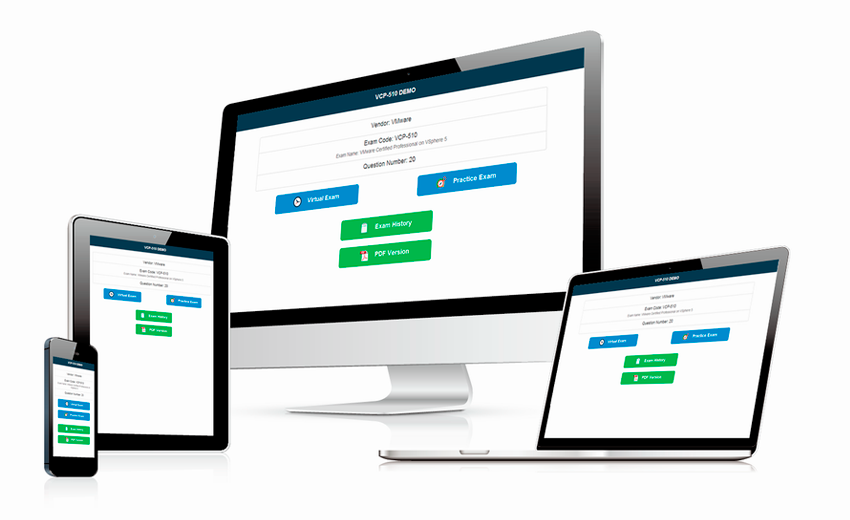
All three versions in a single purchase: 185 practice questions for the Microsoft Developing SQL Databases exam as a printable, expert-prepared PDF — ideal if you learn best by annotating paper; a Desktop Test Engine for Windows that simulates the real exam with two practice modes and works offline; and an Online Test Engine for any browser on Windows, Mac, Android, and iOS with test history and performance review. Use whichever version fits each moment, or all of them together. You also get a free demo, 365 days of free updates, a 50% renewal discount after the first year, and unlimited computer installations.
The 070-762 exam is a Microsoft certification exam validating the knowledge in the Microsoft Developing SQL Databases syllabus shown above. It belongs to these credential paths: MCSA: SQL 2016 Database Development. Beyond theoretical knowledge, employers want demonstrated skills — and this credential provides that evidence in 2026's competitive market. LatestCram helps you prepare with 185 practice questions in PDF, Desktop Test Engine, and Online Test Engine formats.
Pearson VUE testing centers and online proctored delivery (while exam was active). Registration for the Microsoft Developing SQL Databases exam runs through these official channels:
Your LatestCram practice questions arrive by email within 1 minute of purchase, so preparation can begin the day you book.
The Microsoft Developing SQL Databases exam contains 40-60 to be completed within 120 minutes. That leaves limited time per question, so rehearsing under the same clock with the LatestCram Desktop Test Engine is time well spent.
The official Microsoft Developing SQL Databases outline defines 4 domains. The top three are Implement Programmability Objects (20-25%), Design and Implement Database Objects (25-30%), and Optimize Database Objects and SQL Infrastructure (20-25%). See the full list in the topics section above — LatestCram's 185 practice questions span every domain.
LatestCram issues a full refund if you take the Microsoft Developing SQL Databases exam within 60 days of purchase and do not pass. The policy does not apply if the exam is taken within 3 days of purchase, if the exam was never actually taken, or to free materials or expired orders, and the candidate name must match the payer name. To claim, submit a scan of your enrollment slip and the official Score Report PDF within 2 days of the exam — processing takes up to 7 days. Alternatively, exchange for two free exam products of equal value while keeping your original product's update service. Delivery is by email within 1 minute; contact support if nothing arrives within 2 hours.
The Microsoft Developing SQL Databases exam requires 700/1000 to pass, and registration costs USD 165. A retake costs the same fee again — one more reason to gauge your readiness with the LatestCram practice engines before exam day.
Microsoft recommends the following training for the Microsoft Developing SQL Databases exam:
Complement the official training with the 185 practice questions from LatestCram — they show you whether the knowledge holds up under exam-style questioning.
Microsoft Developing SQL Databases Sample Questions:
Note: This question is part of a series of questions that use the same scenario. For your convenience, the scenario is repeated in each question. Each question presents a different goal and answer choices, but the text of the scenario is exactly the same in each question in this series.
You have a database named DB1 that contains the following tables: Customer, CustomerToAccountBridge, and CustomerDetails. The three tables are part of the Sales schema. The database also contains a schema named Website. You create the Customer table by running the following Transact-SQL statement:
The value of the CustomerStatus column is equal to one for active customers. The value of the Account1Status and Account2Status columns are equal to one for active accounts. The following table displays selected columns and rows from the Customer table.
You plan to create a view named Website.Customer and a view named Sales.FemaleCustomers.
Website.Customer must meet the following requirements:
* Allow users access to the CustomerName and CustomerNumber columns for active customers.
* Allow changes to the columns that the view references. Modified data must be visible through the view.
* Prevent the view from being published as part of Microsoft SQL Server replication.
Sales.Female.Customers must meet the following requirements:
* Allow users access to the CustomerName, Address, City, State and PostalCode columns.
* Prevent changes to the columns that the view references.
* Only allow updates through the views that adhere to the view filter.
You have the following stored procedures: spDeleteCustAcctRelationship and spUpdateCustomerSummary.
The spUpdateCustomerSummary stored procedure was created by running the following Transact-SQL statement:
You run the spUpdateCustomerSummary stored procedure to make changes to customer account summaries.
Other stored procedures call the spDeleteCustAcctRelationship to delete records from the CustomerToAccountBridge table.
When a procedure calls spDeleteCustAcctRelationship, if the calling stored procedures has already started an active transaction, all the detections made by the spDeleteCustAccRelationship stored procedure must be committed by the caller; otherwise changes must be committed within the spDeleteCustAcctRelationship stored procedure.
If any error occurs during the delete operation, only the deletes made by the soDeleteCustACCTRelationships stored procedure must be rolled back and the status must be updated.
You need to complete the stored procedure to ensure all the requirements are met.
How should you complete the procedure? To answer, drag the Transact-SQL segments to the correct location.
Each transact-SQL segment may be used once, more than once or not at all. You may need to drag the split bar between panes or scroll to view content.
NOTE: Each correct selection is worth one point.
Correct Answer:

Explanation
Savepoints offer a mechanism to roll back portions of transactions. You create a savepoint using the SAVE TRANSACTION savepoint_name statement. Later, you execute a ROLLBACK TRANSACTION savepoint_name statement to roll back to the savepoint instead of rolling back to the start of the transaction.
References: https://technet.microsoft.com/en-us/library/ms178157(v=sql.105).aspx
Note: This question is part of a series of questions that use the same or similar answer choices. An Answer choice may be correct for more than one question in the series. Each question independent of the other questions in this series. Information and details provided in a question apply only to that question.
You are a database developer for a company. The company has a server that has multiple physical disks. The disks are not part of a RAID array. The server hosts three Microsoft SQL Server instances. There are many SQL jobs that run during off-peak hours.
You must monitor the SQL Server instances in real time and optimize the server to maximize throughput, response time, and overall SQL performance.
You need to ensure that the performance of each instance is consistent for the same queried and query plans.
What should you do?
- A. Create a Performance Monitor Data Collector Set.
- B. Create a sys.dm_exec_sessions query.
- C. Create a sys.dm_os_memory_objects query.
- D. Create an Extended Event.
- E. Create a sys.dm_os_waiting_tasks query.
- F. Create asys.dm_os_wait_stats query.
- G. Create aSQL Profiler trace.
- H. Create a sp_configure 'max server memory' query.
Correct Answer: D 🗳️
Explanation: Only visible for LatestCram members. You can sign-up / login (it's free).
Note: This question is part of a series of questions that use the same or similar answer choices. As answer choice may be correct for more than one question in the series. Each question is independent of the other questions in this series.
Information and details provided in a question apply only to that question.
You have a Microsoft SQL Server database named DB1 that contains the following tables:
Users frequently run the following query:
Users report that the query takes a long time to return results.
You need to minimize the amount of time requires for the query to return data.
What should you do?
- A. Drop existing indexes on TBL1 and then create a clustered columnstore index. Create a nonclustered columnstore index on TBL1. Create a nonclustered index on TBL2.
- B. Create clustered indexes on TBL1 and TBL2.
- C. Create a clustered index on TBL1. Create a nonclustered index on TBL2 and add the most frequently queried columns as included columns.
- D. Create CHECK constraints on both TBL1 and TBL2.. Create a partitioned view that combines columns fromTBL1 and TBL2.
- E. Drop existing indexes on tbli and then create a clustered columnstore index. Create a nonclustered columnstore index on tbli. Make no changes to TBL2.
- F. Create an indexed view that combines columns from TBL1 and TBL2.
- G. Create unique constraints on both TBL1 and TBL2. Create a partitioned view that combines columns from TBL1 and TBL2.
- H. Create a nonclustered index on TBL2 only.
Correct Answer: F 🗳️
You have a Microsoft Azure SQL database.
Some queries take a long time to execute.
You need to identify whether any of the long-runffiing queries prevent users from updating data in the database.
Which query should you execute? To answer, select the appropriate options in the answer area.
NOTE: Each correct selection is worth one point.
Correct Answer:

Explanation
Box 1: sys.dm_tran_locks
sys.dm_tran_locks returns information about currently active lock manager resources in SQL Server 2017.
Each row represents a currently active request to the lock manager for a lock that has been granted or is waiting to be granted.
Box 2: sys.dm_os_waiting_tasks
sys.dm_tran_locks.lock_owner_address is the memory address of the internal data structure that is used to track this request. This column can be joined the with resource_address column in sys.dm_os_waiting_tasks.
References:
https://docs.microsoft.com/en-us/sql/relational-databases/system-dynamic-management-views/sys-dm-tran-locks
You are developing an ETL process to cleanse and consolidate incoming data. The ETL process will use a reference table to identify which data must be cleansed in the target table. The server that hosts the tables restarts daily.
You need to minimize the amount of time it takes to execute the query and the amount of time it takes to populate the reference table.
What should you do?
- A. Convert the reference table to a memory-optimized table. Set the durability option to SCHEMA_ONLY.
- B. Convert the target table to a memory-optimized table. Create a natively compiled stored procedure to cleanse and consolidate the data.
- C. Convert the reference table to a memory-optimized table. Set the durability option to SCHEMA_AND_DATA>
- D. Create a native compiled stored procedure to implement the ETL process for both tables.
Correct Answer: A 🗳️
Viewing page 1 out of 37 pages.
Viewing questions 1-5 out of 185 questions.


 995 Customer Reviews


